Whiplash
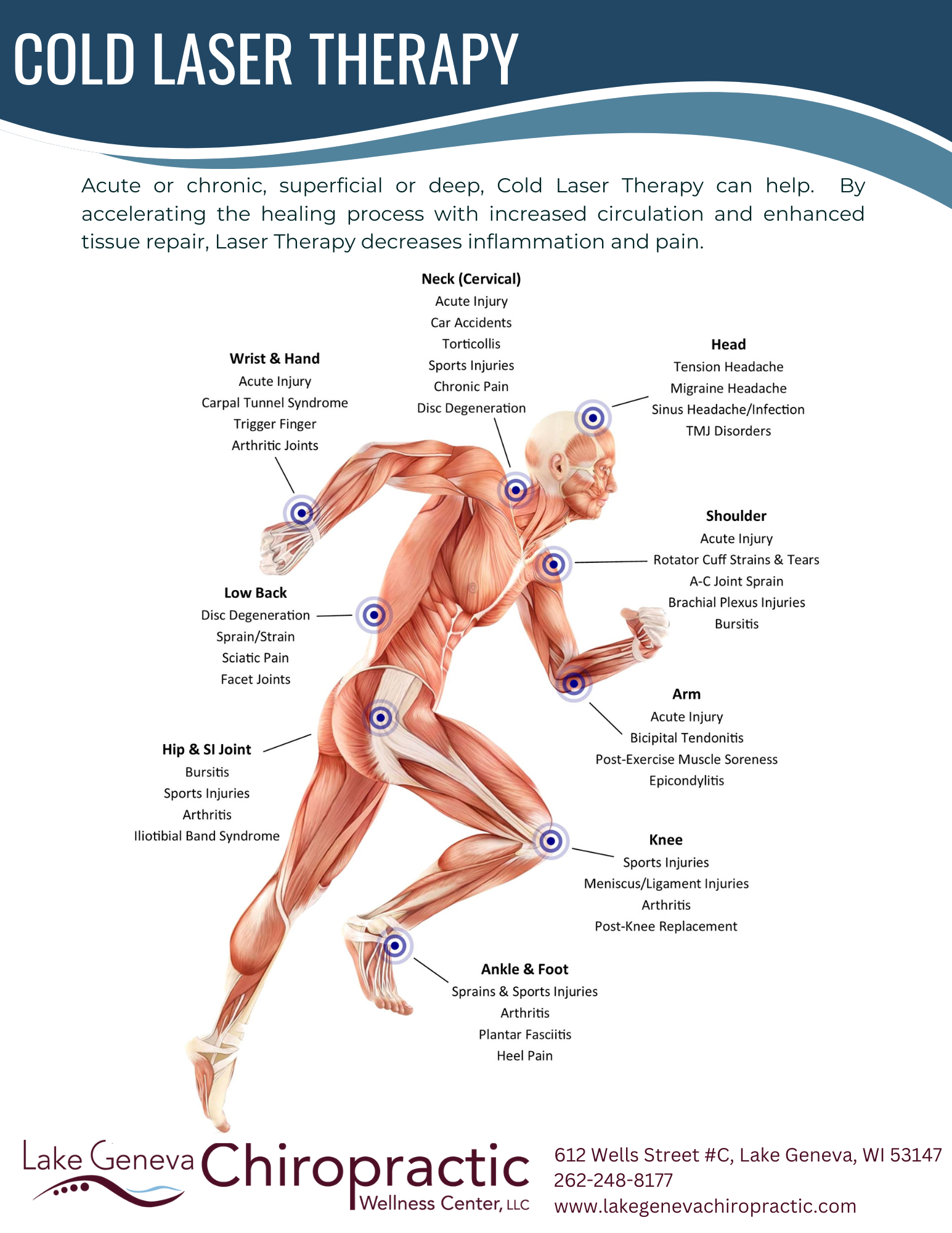
Whiplash is a generic term applied to injuries of the neck caused when the neck is suddenly and/or violently jolted in one direction and then another, creating a whiplash like movement.
Whiplash is most commonly seen in people involved in motor vehicle accidents, but it can also occur from falls, sports injuries, work injuries, and other incidents.
These injuries most often result in sprain-strain of the neck. The ligaments that help support, protect, and restrict excessive movement of the vertebrae are torn, which is called a sprain. The joints in the back of the spine, called the facet joints, are covered by ligaments called facet capsules, which seem to be particularly susceptible to whiplash injury. In addition, the muscles and tendons are strained-stretched beyond their normal limits.
The most common symptoms of whiplash are pain and stiffness in the neck. These symptoms are generally found in the areas that are “whiplashed.” Turning the head often makes the pain worse. Headaches, especially at the base of the skull, is also a common symptom, seen in more than two thirds of patients. The pain and stiffness may extend down into the shoulders and arms, upper back, and even the upper chest.
To make a diagnosis, a thorough history of the injury and the patient's previous medical history are taken. An in depth physical examination with concentration on the neuromusculoskeletal system is performed. X-rays of the neck may be taken.
One of the most important aspects of whiplash management is for patients to stay active, unless there is some serous injury that requires immobilization. Spinal manipulation provided by a chiropractor helps to reduce subluxation. In addition, your doctor will recommend an exercise or stretching program. It is particularly important to follow this program as prescribed, so that you can achieve the best on-term benefits.